


Why a Transit-Friendly Apartment is Your Ticket to the City
Apartments near public transportation chicago offer the perfect blend of convenience and urban lifestyle that busy professionals crave. With Chicago's extensive transit network, you can ditch the car and accept a more connected way of living.
Quick Guide to Finding Transit-Friendly Apartments in Chicago:
- Search with filters - Use "public transportation" filters on rental sites like Apartments.com (1,090+ listings available)
- Target key neighborhoods - Focus on areas like Uptown, Lincoln Park, Loop, and River North
- Check Walk/Transit Scores - Look for locations with Transit Scores of 70+ for excellent access
- Consider multiple lines - Choose spots near both 'L' trains and bus routes for maximum flexibility
- Verify walking distance - Aim for apartments within 0.1-0.3 miles of stations
Chicago's public transportation system includes the iconic 'L' train with eight color-coded lines, Metra commuter rail with 242 stations across 11 lines, and an extensive bus network. The city boasts an average Walk Score of 77, making it highly walkable for residents.
Living near transit means saving time and money while reducing your environmental impact. You'll have quick access to downtown (some routes take just 16-20 minutes), entertainment districts, lakefront areas, and everything that makes Chicago vibrant.
The Red and Blue Lines run 24/7, giving you round-the-clock connectivity. Whether you're commuting to work, meeting friends for dinner, or exploring new neighborhoods, transit-oriented living puts the entire city at your doorstep.

The Unbeatable Perks of Living Near Chicago's Transit Lines
When you choose apartments near public transportation chicago, you're not just picking a place to live – you're choosing a completely different way to experience the city. The benefits go far beyond avoiding traffic jams, touching every aspect of your daily life and even your impact on the environment around you.
Living near transit transforms your relationship with Chicago. Instead of being stuck in your car, you become part of the city's rhythm. You'll find neighborhoods you never knew existed, meet people from all walks of life, and find yourself saying "yes" to more invitations simply because getting around is so much easier.
A More Connected Urban Experience
Picture this: you wake up, sip your morning coffee, and take a leisurely walk to the nearest 'L' station or bus stop. No scrambling for parking, no road rage, no surprise traffic delays. Your commute becomes a moment to read, catch up on podcasts, or simply watch the city wake up around you.
The time savings are real and significant. Take the Metra Union Pacific West Line from Oak Park to downtown – it's a smooth 16 to 20 minutes, compared to what could easily be 45 minutes or more by car during rush hour. That's time you get back in your day, every single day.
But here's where it gets really exciting: spontaneous city exploration becomes effortless. Want to check out that new restaurant in Logan Square? Catch a show at the Chicago Theatre? Meet friends for drinks in River North? When you live near transit, the entire city feels like your neighborhood.
Chicago's impressive Walk Score of 77 means you can handle daily errands on foot, while the transit system connects you to dining, shopping, entertainment venues, and beautiful parks across the city. Whether you're heading to Millennium Park for a concert or exploring the lakefront trail, everything feels accessible and inviting.
A Greener Way to Live in the Windy City
Living near public transportation isn't just convenient – it's one of the most impactful ways to reduce your carbon footprint while living in the city. Every time you hop on the 'L' instead of driving, you're contributing to cleaner air and less traffic congestion for everyone.
This commitment to sustainable living goes beyond personal benefits. You're actively supporting city infrastructure and helping create the kind of urban environment that works better for everyone. Public transit moves more people more efficiently than individual cars ever could, making Chicago a more livable city for all residents.
The convenience of transit access improves your daily routine too. No car payments, insurance, gas, or parking fees – just your transit pass and the freedom to get anywhere in the city. It's sustainable living that simplifies your transportation needs while creating a positive environmental impact with every trip you take.
Navigating Chicago's Public Transportation Network
Getting around Chicago without a car is not only possible – it's actually pretty fantastic once you know the system. The city's public transportation network is like a well-oiled machine that connects every corner of the metropolitan area, making apartments near public transportation chicago incredibly valuable for anyone who wants to truly experience urban living.
Understanding how these different transit systems work together will help you find the perfect apartment location and make the most of Chicago's incredible connectivity.

The 'L' Train: Chicago's Lifted Icon
The Chicago Transit Authority (CTA) 'L' train system is the heart and soul of getting around the city. The name comes from "liftd," though many of the lines actually run underground through downtown – a little Chicago quirk that locals love to explain to visitors.
This iconic system features eight distinct train lines, each with its own personality and color. The Red Line runs north-south through the city's core, serving major neighborhoods and downtown with the convenience of 24-hour service. The Blue Line is your direct connection from O'Hare International Airport to downtown and the West Side, also running around the clock.
The Brown Line serves the North Side and downtown with a scenic route that offers some of the best views of the city. The Green Line travels from the West Side through downtown to the South Side, making 30 stops between Harlem Station in Forest Park, through Oak Park, to 63rd Street on Chicago's South Side.
For airport connections, the Orange Line whisks you from Midway International Airport straight to downtown. The Pink Line covers the West Side and downtown corridor, while the Purple Line offers express service from Evanston and Wilmette to downtown during weekday rush hours, switching to local service at other times.
The Yellow Line is a short but mighty shuttle connecting Skokie to the Red Line, completing this colorful network that makes navigation surprisingly simple once you get the hang of it.
The 24-hour service on the Red and Blue lines is genuinely a game-changer. Whether you're working late, catching a show, or heading to the airport for an early flight, these lines keep you connected to key downtown stations like Clark/Lake, State/Lake, and Harold Washington Library at any hour.
Metra Commuter Rail: Connecting the Suburbs
While the 'L' handles most city travel, Metra is the champion of suburban connections. This commuter rail system operates 242 stations across 11 different rail lines throughout the Chicago metropolitan area, making it possible to live in quieter suburban neighborhoods while still working downtown.
The beauty of Metra lies in its efficiency. That Oak Park to downtown commute we mentioned? It takes just 16 to 20 minutes via the Metra Union Pacific / West Line – often faster than driving, especially during rush hour when traffic can be brutal.
Union Station and Ogilvie Transportation Center serve as the main downtown hubs where Metra lines converge. These stations are perfectly positioned to connect with the 'L' train and bus networks, creating seamless transfers that make suburban living surprisingly convenient.
CTA and Pace Buses: Covering Every Corner
Think of the bus system as the connective tissue that fills in all the gaps. CTA buses serve Chicago itself, reaching neighborhoods and streets that the 'L' doesn't touch. They're particularly useful for those shorter trips or when you need to get somewhere that's just slightly off the train route.
Pace buses handle the suburban areas, creating connections to Metra stations and local destinations that might otherwise be hard to reach. Together, these bus systems ensure that virtually every address in the greater Chicago area is accessible by public transportation.

The Ventra payment system ties everything together beautifully. One card works for trains and buses, making transfers between different modes of transportation completely seamless. You can hop from a Metra train to an 'L' line to a bus without missing a beat, and your payment method follows you every step of the way.
This integrated approach means that when you're looking for apartments near public transportation in Chicago, you're not just getting access to one form of transit – you're plugging into a comprehensive network that can take you literally anywhere you want to go.
How to Find Apartments Near Public Transportation Chicago
Finding the perfect apartments near public transportation chicago can feel overwhelming at first, but with the right approach, it becomes much more manageable. The key is knowing where to look and what to prioritize during your search. Searching for apartments near public transportation requires a bit of strategy, but with the right tools and considerations, you can find a place that fits your needs perfectly.
Using Online Tools and Transit Filters
Starting your search online is always the smartest move. Most apartment search websites now offer transit filters that can save you hours of scrolling through listings. These filters help narrow down thousands of available rentals to only those with excellent public transportation access. When you apply a public transportation filter on popular rental sites, you'll find over 1,090 listings in Chicago alone.
Map-based searching is another game-changer. Instead of just reading addresses, you can actually see where apartments sit in relation to train stations and bus stops. This visual approach makes it much easier to understand your daily commute before you even schedule a viewing.
The real magic happens when you start paying attention to Walk Score®, Transit Score®, and Bike Score®. These tools give you concrete numbers to work with. A Transit Score® of 70 or higher typically means you're looking at excellent public transportation access. For example, an apartment at 1 East Jackson boasts a Walk Score of 92, a Transit Score of 80, and sits just 0.1 miles from the Red, Brown, and Purple 'L' lines. Similarly, a place at 5054 North Winthrop Avenue has a Walk Score of 87 and is literally a two-minute walk from the Red Line.
You can even explore travel times using tools like Walk Score® Travel Time to see exactly how far you can get by different modes of transport from any given address.
What to Look for in Apartments Near Public Transportation Chicago
Once you've identified promising listings, it's time to dig deeper. Walking distance to the station should be your first consideration. While "near" can mean different things to different people, we recommend staying within 0.1 to 0.3 miles of your preferred stop. This ensures that grabbing the train remains convenient even during Chicago's harsh winters.
Multiple transit options can be a lifesaver. An apartment that offers access to both 'L' lines and bus routes gives you flexibility when service disruptions happen (and they will). It also opens up more of the city for easy exploration.
Think about route directness too. The most convenient apartment is one that connects you directly to your most frequent destinations. A straight shot to work beats a journey that requires multiple transfers, even if the total distance is similar.
You'll find that studio apartments are particularly common near transit hubs, offering efficient living spaces in prime locations. One-bedroom and two-bedroom apartments are also frequently available in these areas, providing more space while maintaining that crucial transit access. These layouts are strategically placed in buildings designed to maximize convenience for urban living.
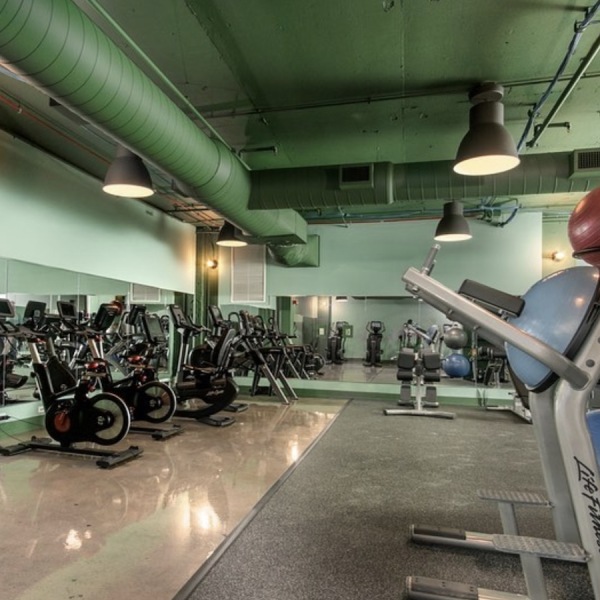
Don't forget about community amenities while focusing on transit access. Many modern buildings near transportation hubs offer features like fitness centers, co-working spaces, and rooftop lounges that can significantly improve your daily life.
By keeping these factors in mind, you'll be well-equipped to find Chicago Apartments Near Transit that perfectly balance convenience with your lifestyle needs.
Top Chicago Neighborhoods for Transit-Oriented Living
Chicago's neighborhoods each have their own personality, and many offer fantastic connections to public transportation. Finding the right area can transform your daily routine and open up endless possibilities for exploring the city.

The Loop & South Loop
The Loop is where it all happens in Chicago. This central business district puts you at the heart of the city's transit network, with access to virtually every 'L' line including the Red, Blue, Brown, Green, Orange, Pink, Purple, and Yellow lines. Major Metra stations like Millennium Station and LaSalle Street Station are right here too.
Living in the Loop means you could potentially walk to work, catch a show at one of the many theaters, or grab dinner at a world-class restaurant without ever needing to hop on a train. The South Loop offers a similar transit paradise with a slightly more residential vibe, making it perfect for those who want convenience without being in the thick of the business district.
River North & Gold Coast
These upscale neighborhoods blend sophistication with smart transit planning. River North residents enjoy easy access to both the Brown Line and Red Line, making downtown commutes a breeze. The area buzzes with energy from its proximity to the business district while maintaining its own distinct character.
The Gold Coast, famous for its historic mansions and luxury shopping, connects seamlessly to the city via multiple Red Line stations. You'll be steps away from Michigan Avenue's premier shopping and surrounded by beautiful high-rise apartment options that make the most of the area's prime location.
Lincoln Park & Lakeview
Head north of downtown and you'll find two of Chicago's most beloved residential neighborhoods. Both Lincoln Park and Lakeview offer excellent access to the Brown, Purple, and Red Lines, giving residents flexible options for getting around the city.
What makes these areas special is their perfect blend of urban convenience and neighborhood charm. You can easily reach DePaul University, catch a Cubs game at Wrigley Field, or take a peaceful stroll along the Lakefront Trail. The vibrant residential feel makes these neighborhoods feel like true communities rather than just places to sleep.
Wicker Park & Bucktown
These trendy neighborhoods have become magnets for creative types and young professionals, thanks in part to their excellent Blue Line access. The Blue Line's 24-hour service means you're never stranded, whether you're heading downtown for work or catching a late flight from O'Hare Airport.
The Six Corners intersection in Wicker Park serves as a major transit hub, but the real draw is the neighborhood's character. You'll find unique boutiques, an incredible arts scene, and some of the city's most interesting nightlife, all easily accessible thanks to the reliable transit connections.
Uptown
Uptown deserves special attention for anyone seeking apartments near public transportation chicago. This dynamic North Side neighborhood perfectly balances historic charm with modern convenience, all anchored by excellent Red Line access through key stations like Wilson, Lawrence, and Argyle.
The entertainment options here are legendary. You can catch live music at the Aragon Ballroom, see a show at the Riviera Theatre, or experience the timeless jazz atmosphere at The Green Mill. When you need a break from the urban energy, Montrose Beach and the scenic lakefront are just a short walk away.
Uptown's historic architecture tells the story of Chicago's past while housing modern apartments that blend old-world details with contemporary amenities. The neighborhood feels incredibly walkable and bikeable, so even when you're not using public transit, getting around locally is easy and enjoyable.
What really sets Uptown apart is its eclectic culture and diverse dining scene. The neighborhood attracts a creative community that gives the area an authentic, lived-in feel that's hard to find in more touristy parts of the city.
Frequently Asked Questions about Chicago Apartments and Transit
Finding the perfect apartments near public transportation chicago can feel overwhelming at first, but we're here to help clear up the most common questions that come up during the search process.
What is the most common type of apartment found near public transportation in Chicago?
When we explore neighborhoods around Chicago's transit hubs, we'll find that certain apartment types naturally dominate these prime locations. Studio apartments are incredibly popular near public transportation, and for good reason – they offer an efficient living solution that maximizes the value of being steps from the 'L' or bus lines.
One-bedroom apartments are equally common in these transit-rich areas, providing a bit more space while still maintaining that coveted location advantage. Two-bedroom apartments are also frequently available, making these neighborhoods accessible to roommates, couples, or small families who want the convenience of car-free living.
These layouts are frequently available in buildings located in dense, transit-rich areas to accommodate a variety of resident needs. The beauty of Chicago's transit-oriented development is that it doesn't force us to choose between space and location – we can find the right fit for our lifestyle while staying connected to the city.
How do I check the transit accessibility of a specific address?
This is one of the smartest questions we can ask before signing a lease! The good news is that checking transit accessibility has never been easier thanks to some fantastic online tools.
Our favorite resource is the Walk Score® website, which takes all the guesswork out of evaluating a location's connectivity. Simply enter a specific address into their search tool, and within seconds we'll get a comprehensive breakdown that includes a Transit Score® – a numerical rating that tells us exactly how well that location is served by public transportation.
The website goes beyond just giving us a number, though. It lists nearby train and bus lines with precise walking distances to each stop, so we can see exactly what our daily commute would look like. For instance, we might find that the Red Line is just 0.1 miles away, or that a key bus route stops right outside our building. This detailed information helps us make confident decisions about our potential new home.
Are there any 24-hour train lines in Chicago?
Absolutely! This is one of Chicago's greatest transit advantages, and it's a game-changer for anyone who values flexibility in their schedule.
The CTA's Red Line and Blue Line both offer 24-hour service, providing continuous access between key neighborhoods, downtown, and both O'Hare (Blue Line) and Midway (via Orange Line connection) airports. This means we're never stranded, whether we're working late, enjoying Chicago's nightlife, or catching an early morning flight.
The Blue Line runs directly to O'Hare International Airport around the clock, making it incredibly convenient for frequent travelers. The Red Line connects many of Chicago's most vibrant neighborhoods to the Loop continuously, and provides easy connections to reach Midway Airport when needed.
This 24-hour service essentially means that apartments near public transportation chicago offer us true freedom – we can live car-free without worrying about being stuck somewhere when the trains stop running, because they simply don't stop running on these essential lines.
Conclusion: Find Your Perfect Connection in Chicago
As we've explored throughout this guide, choosing apartments near public transportation chicago truly transforms how we experience city living. The benefits extend far beyond simply getting from point A to point B – we're talking about a complete lifestyle upgrade that touches every aspect of our daily routine.
Think about it: when we wake up in a transit-friendly apartment, we're not just choosing convenience. We're choosing stress-free commutes that let us start our day calmly instead of battling traffic. We're choosing significant time savings that give us more hours to spend on what matters most. We're choosing to reduce our environmental impact while potentially saving money on transportation costs.
Chicago's incredible transit network makes all of this possible. The CTA 'L' train system with its eight color-coded lines, including those game-changing 24-hour Red and Blue Lines, connects us to every corner of the city. The Metra commuter rail opens up suburban connections, while the extensive bus network fills in every gap. Together, they create a comprehensive system that puts the entire Windy City at our fingertips.
We've shown you how to use online tools like Walk Score® to find the perfect location, and highlighted neighborhoods like Uptown, The Loop, River North, and Lincoln Park that offer exceptional connectivity. The key is knowing what to look for and having the right strategy.
For those of us drawn to Uptown's unique blend of historic charm and modern convenience, The Draper Apartments represents exactly what transit-oriented living can be. Located in this vibrant neighborhood with excellent Red Line access, it offers the perfect launching pad for exploring everything Chicago has to offer – from legendary music venues to beautiful lakefront trails.
The truth is, when our home is perfectly positioned within Chicago's transit network, the entire city becomes our neighborhood. Late-night concerts, weekend trips, spontaneous dinner plans – it all becomes effortlessly possible.
Ready to find how connected living can transform your Chicago experience? Find your next home near Chicago's best transit options.